By Dr. Jihad Kudsi MD MBA MSF FASMBS FACS,
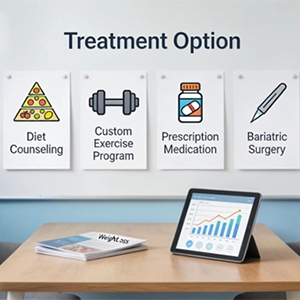
Glucagon-Like Peptide-1 (GLP-1) weight loss medications and surgical options such as Endoscopic Sleeve Gastroplasty (ESG) and bariatric surgery present patients with diverse strategies to manage obesity effectively. Understanding these options is crucial for individuals seeking sustainable weight loss solutions tailored to their needs. This article will explore the nuances of GLP-1 medications and surgical interventions, focusing on effectiveness, risks, benefits, and suitability for different patient profiles. With many struggling to achieve lasting weight loss, it's essential to evaluate these modalities to determine the best fit for each individual. We will cover the mechanisms of action for GLP-1 medications, delve into the process and outcomes of ESG, and assess the long-term results associated with bariatric surgery.
Comparison of GLP-1 Weight Loss Medications, Endoscopic Sleeve Gastroplasty (ESG), and Bariatric Surgery
Weight loss treatments vary in approach and effectiveness. GLP-1 medications, such as Semaglutide, work by mimicking the action of GLP-1, a hormone that promotes insulin secretion, reduces appetite, and slows gastric emptying. In contrast, ESG is an endoscopic procedure that reduces the size of the stomach without traditional surgery, while bariatric surgery typically involves more invasive techniques to limit stomach capacity. Each approach has unique implications for weight loss outcomes, recovery time, and potential health effects.
1. Effectiveness:
The effectiveness of weight loss approaches varies significantly based on individual circumstances and treatment choices. Below is a comparison of their effectiveness:
| Treatment Type | Weight Loss Percentage | Long-Term Effects | Patient Demographics |
|---|---|---|---|
| GLP-1 Medications (e.g., Semaglutide) | Up to 15-20% of body weight | Maintains metabolic health | Suitable for patients with a BMI of 27 or higher, especially those with diabetes |
| Endoscopic Sleeve Gastroplasty (ESG) | 10-20% of body weight | Improved metabolic profile, reduction in comorbidities | Ideal for patients with a BMI of 30-40 seeking non-surgical options |
| Bariatric Surgery | 25-35% of body weight | Significant improvement in obesity-related conditions | Typically for patients with a BMI of 35 or higher, or 30 with comorbidities |
The data shows that while GLP-1 medications can be effective, ESG and bariatric surgery often yield higher weight loss percentages on average, particularly for those with higher initial body weight.
Research indicates that while laparoscopic sleeve gastrectomy (LSG) is highly effective for weight loss, ESG provides a safe and viable endobariatric alternative with fewer complications and a shorter hospital stay for suitable patients.
Comparing ESG, LSG, and LAGB for Weight Loss and Safety
Although LSG is the most effective option for weight loss, ESG is a safe and feasible endobariatric option associated with low morbidity and short LOS in select patients.
2. Risks:
With any medical intervention, understanding the associated risks is essential. Below are the risks related to each weight loss method:
- GLP-1 Medications: Common side effects include nausea, vomiting, and potential pancreatitis. Long-term risks involve gastrointestinal complications and possible thyroid tumors, as observed in animal studies.
- Endoscopic Sleeve Gastroplasty: Risks include bleeding, infection, and complications related to anesthesia. As a newer procedure, the long-term risks are still being evaluated.
- Bariatric Surgery: Surgical risks include infection, blood clots, and nutritional deficiencies. Long-term complications may lead to weight regain or surgical reversal.
Awareness of these risks allows potential candidates to make informed decisions about their weight loss journeys.
3. Benefits:
Each method presents unique benefits worth considering. Here are important benefits:
- GLP-1 Medications: Non-invasive, easy to self-administer, and can provide significant appetite suppression without surgery.
- Endoscopic Sleeve Gastroplasty: Lower recovery time compared to traditional surgeries, minimal scarring, and can be a bridge for those hesitant about more invasive options.
- Bariatric Surgery: Substantial long-term weight loss, drastic reduction in obesity-related health issues, and improvement in quality of life.
Recognizing the strengths of each approach helps individuals align their health goals with the most suitable treatment.
4. Suitability for Different Patient Profiles:
Determining the right treatment requires an understanding of various patient profiles. Below are considerations:
- BMI considerations:
- Medical Histories: Patients with diabetes or metabolic syndrome may particularly benefit from GLP-1 medications, while those with severe obesity-related health conditions might be better suited for surgical approaches.
- Lifestyle Implications: Active individuals may prefer the quicker recovery of ESG, while others may seek the long-term commitment that comes with bariatric surgery.
What Are GLP-1 Weight Loss Medications and How Do They Work?

GLP-1 weight loss medications are a class of drugs designed to assist with obesity by mimicking the GLP-1 hormone. These medications enhance glucose-dependent insulin secretion, lowering blood sugar levels while promoting a sense of fullness after meals. Patients who use GLP-1 agonists, such as Semaglutide, can experience significant weight loss due to their ability to curb appetite and slow gastric emptying.
What Are the Expected Weight Loss Benefits and Side Effects of GLP-1 Therapy?
Patients can expect various benefits from GLP-1 therapy, including:
- Significant Weight Loss: Many users achieve a weight reduction of around 10-20% or more over a year.
- Improved Glycemic Control: Particularly beneficial for those with type 2 diabetes.
- Reduced Risk of Comorbidities: Weight loss can lower the risk of conditions associated with obesity, such as hypertension and sleep apnea.
Possible side effects include gastrointestinal issues such as nausea and vomiting, as well as potential long-term implications on pancreatic health.
What Is Endoscopic Sleeve Gastroplasty and What Are Its Outcomes?
Endoscopic Sleeve Gastroplasty (ESG) is a minimally invasive procedure that reduces stomach size without the need for an abdominal incision. During the procedure, an endoscope is used to place sutures in the stomach, shaping it into a tube-like structure that limits food intake. Patients can expect a weight loss of 10-20% and improved metabolic profiles, including reductions in diabetes and hypertension.
While ESG results in lower short-term weight loss and fewer complications compared to laparoscopic sleeve gastrectomy (LSG), its long-term weight loss sustainability and widespread adoption as a minimally invasive bariatric procedure depend on future long-term data collection.
ESG vs. LSG: Weight Loss Outcomes & Complications
ESG when compared with LSG has lower short-term weight loss outcomes with fewer complications. Weight loss results for ESG appear to plateau after the 1-year mark. The future and uptake of ESG as a minimally invasive bariatric procedure will be determined by its long-term data on potential weight loss sustainability.
Systematic review and meta-analysis of endoscopic sleeve gastroplasty with comparison to laparoscopic sleeve gastrectomy, MB Edye, 2020
What Should You Know About Bariatric Surgery Risks and Benefits?

Bariatric surgery includes several procedures, with the most common being gastric bypass and sleeve gastrectomy. These surgeries can lead to dramatic weight loss of 25-35% but come with risks such as surgical complications, long recovery times, and potential nutritional deficiencies. Patients typically report high satisfaction and improvement in their obesity-related health conditions, helping them lead healthier lives.
Detailed Overview of Common Bariatric Surgeries:
Sleeve Gastrectomy (SG)
Sleeve Gastrectomy is a procedure where approximately 75-85% of the stomach is surgically removed, leaving a narrow 'sleeve' or tube-shaped stomach. This reduction limits food intake and decreases the production of the hunger hormone ghrelin, which may reduce appetite. It is a restrictive surgery without intestinal rerouting, making it technically simpler and with fewer complications compared to gastric bypass. Patients can expect significant weight loss, improved metabolic health, and fewer long-term nutritional deficiencies than more complex surgeries.
Roux-en-Y Gastric Bypass (RYGB)
The Roux-en-Y Gastric Bypass is a combined restrictive and malabsorptive surgery. It creates a small stomach pouch by dividing the stomach and reroutes the small intestine to this pouch, bypassing a significant portion of the stomach and duodenum. This decreases calorie and nutrient absorption and alters gut hormones that regulate appetite and satiety. RYGB tends to result in more substantial and rapid weight loss compared to sleeve gastrectomy, with pronounced improvements in obesity-related conditions like type 2 diabetes. However, it carries risks of nutritional deficiencies requiring lifelong supplementation and appetite changes that may require careful management.
Single Anastomosis Duodenal Switch (SADI)
The Single Anastomosis Duodenal Switch (SADI) is a bariatric surgery that combines elements of sleeve gastrectomy with an intestinal bypass. It involves creating a sleeve-shaped stomach and then rerouting the small intestine to reduce nutrient absorption via a single anastomosis, which lowers surgical complexity compared to the traditional duodenal switch. SADI offers significant weight loss results and improvements in obesity-related health conditions while potentially reducing the risk of some complications found in more complex procedures. Patients undergoing SADI should be prepared for lifelong nutritional monitoring and supplementation.
How Do the Risks and Long-Term Benefits of Bariatric Surgery Compare to GLP-1 Medications?
While both approaches yield substantial benefits for weight loss and metabolic health, the risks associated with surgical interventions are generally higher compared to GLP-1 medications. However, the long-term weight loss results and improvement in health conditions from bariatric surgery often outweigh the potential short-term risks for individuals in specific patient profiles.
How to Decide Between GLP-1 Medications, ESG, and Bariatric Surgery?
Choosing the right weight loss strategy involves considering personal health goals, individual medical history, and lifestyle preferences. Consulting with healthcare professionals specializing in weight management, like Dr. Jihad Kudsi, can provide personalized insights and guidance. Dr. Jihad Kudsi is a specialized surgical provider focusing on weight loss interventions, including ESG and bariatric surgery. It is essential to weigh the pros and cons of each treatment option with an expert to make an informed decision that aligns with personal health aspirations.
What Do Patients Report About Their Experiences and Satisfaction With These Treatments?
Patient satisfaction varies across different treatments, with many noting the effectiveness of GLP-1 medications for manageable weight loss and fewer lifestyle disruptions. In contrast, patients opting for surgical interventions typically report greater overall satisfaction due to significant weight loss and improved health metrics. Collectively, these insights highlight the importance of a tailored approach to weight management, ensuring that individual needs and preferences are addressed effectively.
Our Service Areas in Illinois
We proudly serve patients seeking weight loss solutions in various Illinois communities, including:
- Oak Brook
- Glen Ellyn
- LaGrange
- Bloomingdale
- Joliet / Naperville
If you live in these areas and are considering weight loss treatments such as GLP-1 medications, Endoscopic Sleeve Gastroplasty, or bariatric surgery, our expert team is here to guide and support your journey towards better health.